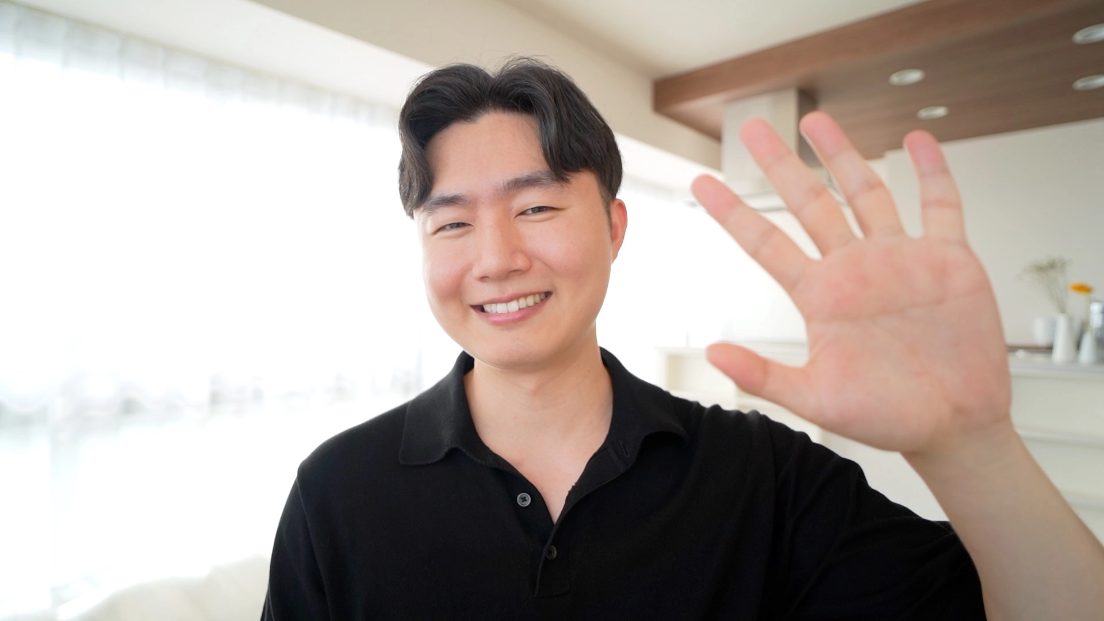
When you bump into a friend you haven't seen in ages, there's one phrase that comes out of every Korean's mouth first.
오랜만이에요!
orenmanieyo
Long time no see!
What it means
오랜만 (orenman) means "after a long time." The 이에요 (ieyo) on the end makes it polite, so you can say it to almost anyone: a classmate, a coworker, a friend's mom.
With close friends
With a friend your own age, drop the polite ending: 오랜만이야! (orenmaniya).
In a formal setting
Meeting a teacher or a client you haven't seen for a while? Make it formal: 오랜만입니다 (orenmanimnida).
The question that always comes next
It almost never comes alone. Right after it, Koreans ask:
잘 지냈어요?
jal jinesseoyo?
Have you been well?
And the answer is the same words, without the question mark: 네, 잘 지냈어요 (ne, jal jinesseoyo). "Yes, I've been well."
So when you meet that friend again, put the two together:
오랜만이에요! 잘 지냈어요?
(orenmanieyo! jal jinesseoyo?)
Long time no see! Have you been well?
Try it this week
Think of one friend you haven't talked to in a while. Send them a message that starts with 오랜만이에요 (orenmanieyo), then tell them what it means. It's the nicest way to say "I missed you" without saying it.